Über mich

Mein Bild
Da meine Ex-Frau im Reisebüro beschäftigt war und ist, bin ich schon viel in der Welt herumgekommen. Das wirkliche Fernweh-Virus hat mich jedoch erst vor knapp 10 Jahren erfasst, auf einer ersten längeren Rucksackreise, damals nach Thailand. Und seitdem hat es mich nicht mehr losgelassen und ich habe per Rucksack Länder bereist wie Thailand, Laos, Nepal oder Tibet. ######################################################################################## As my ex wife was working in a travel agency travelling was pretty cheap for us in the past so I already came much around in the world. But, the real virus of „backpacking“ seized me however approx. 10 years ago, on my first longer backpack journey, at that time to Thailand. Since then I travelled many countries by backpack, e.g. like Thailand, Laos, Nepal or Tibet.

Montag, 11. Juli 2011

may/june 2011 Pokhara/Nepal: about duality, highlights, loneliness and seeing clearly / ueber Dualitaet, Hoehepunkte, Einsamkeit und Momente der Klarsicht

Mal ganz obenauf - sometimes on top
Ueber Gefuehle zu schreiben, ist so eine Sache, besonders wenn es in einem oeffentlichen Medium geschieht wie in diesem Blog. Ich habe lange lernen muessen (und bin immer noch dabei), meine Gefuehle zu erkennen und ausdruecken zu koennen und finde heute nichts mehr dabei, mich mit meinen Gefuehlen zu zeigen. Was ich jedoch nicht will, ist mich damit jemandem aufzudraengen, und ist so ein Blog dann nicht perfekt ?! Diejenigen, die nicht interessiert sind, klicken jetzt einfach auf das kleine “x” oben rechts :-))))) Aber (teilweise sehr starke und gegensaetzliche) Gefuehle gehoeren zu einer Reise wie dieser einfach auch dazu wie das Wasser zum Meer und der Sand zum Strand. Und diese Gefuehlserfahrungen zu erleben, ist fuer mich mindestens ebenso wichtig, wie schoene Orte zu besuchen oder die Natur zu geniessen. Und erst alles zusammen macht die Reise zu einem umfassenden Erlebnis fuer mich, im Aussen wie im Innern.

mal ganz unten - sometimes deep down
Writing about feelings is “special”, especially when it happens in a place accessible for anybody  like this blog. I had to learn for many years to identify and to be ready to express my feelings and today I don't care anymore to show myself to others with my emotions. But what I don't want is to force myself on others. So this blog is perfect as those people who are not further interested can just click the small “x” in the above right corner :-)))). But feelings, often very intense and contrary to each other, belong to a traveling like this just like sand to a beach or water to the ocean. And to experience these feelings is as much important for me as visiting famous places and being in beautiful nature. Only all these things coming together make the traveling a really complete experience for me.

Bevor ich nach Pokhara kam, habe ich viele Hoehepunkte erleben duerfen, die mich emotional stark beruehrt haben: der Trek und auf dem Gipfel in 5000m zu stehen, das Baden mit den Elefanten und die Rhinos im Chitwan Nationalpark.... Ich bin ein wenig wie aufgeputscht hier angekommen, im Regen und mit einem verdrehten Knie, das mich lange zum Nichtstun verurteilt hat. Pokhara liegt schoen an einem See, und bei klarer Sicht sind die schneebedeckten 7000 unde 8000er Gipfel zu sehen. Es ist Ausgangspunkt fuer viele Himalayatreks und ist generell ziemlich touristisch. Jetzt in der Nachsaison ist hier allerdings nicht so viel los, alles geht einen gemaechlichen Gang und viel zu tun ist hier nicht. “Perfekte Bedingungen” fuer Gefuehle, um an die Oberflaeche zu kommen. Nach den vielen Hoehepunkten zuvor hier im normalen Leben zu landen, hat mich emotional zunaechst einmal in eine Krise gestuerzt. Ich habe mich sehr einsam gefuehlt und das “Normale” schien so schal gegen das vorher Erlebte.

Bootstour auf dem Pewa See - boat trip on Pewa Lake
Before I came to Pokhara I had experienced many emotional highlights which touched me deeply: the trek and standing on the peek in 5000m, bathing with the elephants and encountering the rhinos in Chitwan National Park..... I arrived here in a kind of highly energized state. It was raining and for many weeks a hurt knee prevented me almost from doing anything. Pokhara is beautifully located at a lake and when there is clear view you can see the peaks of 7000 and 8000m high mountains. It is the starting point for many Himalaya treks and is pretty touristy. Now in the off season there are not so many tourists here, life is moving very slowly here and it is not so much to do. “Perfect circumstances” for feelings coming up to the the surface. Arriving here in normal life after many emotional highlights threw me into a crisis. Everything seemed so mundane against what I had experienced before.

Ein kleiner Freund im Changji Restaurant - a small friend in Changji restaurant
Vor ein paar Jahren habe ich mich bewusst entschlossen, immer mehr lernen zu wollen, das Leben mit allen Sinnen leben zu wollen und tiefer und intensiver empfinden zu koennen.Und ich bin sehr gluecklich, dass ich in der Tat immer mehr Fortschritte auf diesem Weg gemacht habe. Ich kann leicht Momente grossen Gluecksgefuehls erleben und bei vermeintlichen Kleinigkeiten kommen mir die Traenen vor Glueck. Damit klar zu kommen, dass in gleichem Masse belastende Emotionen ebenfalls sehr viel intensiver werden, ist nicht immer einfach fuer mich, aber leider :-) ist das Teil des Deals gewesen und ich bereue es nicht. Die Crux ist, dass je tiefer ich zu empfinden lerne, der Unterschied zwischen den “gegensaetzlichen” Polen immer groesser wird, was zweierlei Herausforderungen mit sich bringt:

l  Mir in einer Krise immer wieder neu bewusst zu machen, dass es normal ist, dass nach jedem Berg unweigerlich ein Tal folgt und genauso normal, dass der naechste Gipfel schon wartet. Mit dem Tal zu hadern, bringt also nichts und eigentlich (so einfach und doch so schwer) braucht es nur Geduld und alles regelt sich wie von selbst.

l  Je hoeher die emotionalen Gipfel werden, die zu empfinden ich imstande bin, desto tiefer werden auch die Taeler. Eine Krise wird somit noch intensiver und das umso mehr, da die Gipfel von denen ich “abstuerze”, hoeher werden. Der Fall wird also tiefer und tiefer und der Aufschlag immer haerter.

A few years ago I had decided for myself that I wanted to learn more and more to experience and live my life with all my senses and to open up fully to all the emotions which could come up. I am very happy that I made some progress on this way. I can easily enter a space of great happiness and small things can bring me to tears easily. To deal with the fact that also the “negative” emotions had become more intense is not always easy but unfortunately :-) it was part of the deal. And I do not regret anything. The thing is that the deeper I can feel my emotions the bigger the difference becomes between “positive” and “negative”ones. This is creating two main challenges:

l  To remind myself repeatedly and always anew that after a mountain there will be always a valley and that is also normal that after a valley the next peak is already waiting for me. There is no use to be to worried of the valleys as it just needs a little patience and everything will be solved by itself. Easy to say but very hard to put into practice.

l  The higher the emotional peaks become that I can experience the deeper also the valleys grow. Crisis become more and more intense because of this as the peaks I fall down from are much higher than before. The fall is longer and deeper and the impact of crashing down is more drastic. 
 
Pokhara Lakeside und der Pewa See - Pokhara lakeside with the Pewa lake
Und so bin ich praktisch mit meiner Ankunft hier in ein Loch gefallen. Ich fuehlte mich extrem einsam und irgendwie abgetrennt vom Aeusseren. Normal faellt es mir nicht so schwer, Kontakte zu  knuepfen, reise auch gerne mal einige Zeit mit anderen, bis ich dann gerne wieder fuer mich alleine bin. Jetzt haette ich mir Kontakt gewuenscht und jemanden zum Kuscheln (mehr waere gar nicht noetig gewesen) und doch habe ich mich, obwohl ich einerseits wegen dieses Beduerfnisses nach aussen orientiert war, zurueckgezogen. Ich hatte einfach keinen wirklichen Kontakt zu meiner Aussenwelt. Das Faszinierende: ich hatte keine Verbindung zum Aussen, aber vor allem und noch sehr viel weniger Kontakt zu meinem Inneren. Es war, als waere ich in einer Luftblase gefangen und naehme alles wie durch Watte wahr.

And so I fell into a deep hole when I arrived here. I felt an extreme loneliness and felt completely disconnected from what was going on around me. Normally it is pretty easy for me to get into contact with other people. Sometimes I like to travel some time with others until I feel the need to split and enjoy to be for myself again. Now I felt a deep need to get into contact with someone and to have someone to cuddle with (this would have been enough). And though I was very much orientated on the outside world because of this need I also totally retreated from the outside. I did not feel any connection to what surrounded me. The fascinating thing was: I felt disconnected from the outside world but much much more I felt disconnected from myself. It was as if being captured in a bubble of air and being wrapped up into a soft ball of cotton.

Kuschelzeit - time for some cuddling
Inzwischen ist es so, dass ich auch scheinbar negative Gefuehle wie Einsamkeit auf eine gewisse Weise sogar geniessen kann. Es ist zwar nicht angenehm an sich, aber es ist eine intensive Empfindung und eben auch nur ein Gefuehl, eines von vielen. Wenn ich in solch einer Stimmung bin, dann ist es so, als ob ich mit einem ganz wertvollen, sehr duennen und empfindlichen Kristallglas umgehen muss und sehr achtsam und vorsichtig sein muss, damit ich es nicht zerbreche. Dieses Gefuehl hat etwas von einer Zartheit, die dann wieder schoen zu erleben ist. Und: wenn ich Schmerz intensiv empfinden kann, so macht mich der Gedanke, dass zukuenftige Gluecksgefuehle ebenso intensiv sein werden, schon wieder gluecklich. Und so war es hier nach knapp sieben Tagen, als ob in mir ein Schalter umgelegt worden waere, ohne dass es einen Anlass gegeben haette oder sich das Aussen geaendert haette. Die Luftblase und die Watte waren von einem zum anderen Moment weg. Auf einmal war eine starke Verbindung zu mir selbst da, ich habe das Aussen viel weniger beobachtet und doch viel intensiver. Ich habe das Aussen wahrgenommen, jedoch ohne mich sofort damit in Verbindung bringen zu wollen, Anschluss finden zu wollen. Und ab diesem  Moment kam ich wie von selbst in Kontakt mit anderen und schnell hatte ich eine taegliche Routine mit netten Menschen um mich herum, schoenen Gespraechen und genoss es einfach, nichts tun zu muessen und im taeglichen Strom einfach mittreiben zu koennen. Ich habe das meine “Tue nichts-Meditation” getauft. Spaeter bin ich kurzeitig nochmal in emotionale Taeler gestuerzt, aus denen ich mich aber schnell selbst befreien konnte. Inzwischen nutze ich bestimmte Musik, um z.B. negative Gefuehlszustaende zu verstaerken, um sie besser spuerbar zu machen, kann mich aber auch mit bestimmten Liedern wieder daraus befreien. Irgendwann habe ich mich dann entschlossen, mir ein neues Tattoo stechen zu lassen. Einen Loewen (mein Sternzeichen) und ein Zeichen fuer “Leben” als Symbol dafuer, dass ich immer wieder aufstehen werde, um fuer mein Leben und die Werte und Ziele darin zu kaempfen.

Meanwhile I can kind of enjoy also “negative” emotions like loneliness. It is still no nice emotion but it is a very intense one and still it is just a feeling, one of so many more. When I experience such   it is as if I have a very valuable, very thin and sensitive crystal glass in my hands and I have to be very aware and careful to not to break it. This very soft feeling of breakability is one I really like even if I don't like the emotion itself. And when I remind myself that if i am so deeply touched by this “negative” emotion I can expect the waiting “positive” emotion being equally intense I already feel some happiness. After about seven days from one moment to another it was as if a switch had been turned inside of me without any special outside event or a change in the outside world. It just happened and the bubble of air around me was gone. Suddenly I felt a strong connection to myself again and I did not notice my surrounding so much but on the other hand much more intensely. I watched the outside but I did not try to become necessarily a part of it, I did not have the feeling anymore that I have to connect. From this moment the connection with others came by itself and very soon I had a nice daily routine with nice people, good conversations and I started to really enjoy “doing nothing” and to just go with the (slow) flow in Pokhara. I began to call it my “doing nothing” - meditation. Sometimes I fell back into negative states of emotion but I found a way to deal with it and to come out of it. I use certain music to make feelings more intense so that I can feel them better and use other songs to get me out of it again. At one point I decided to get a new tattoo: a lionhead with a sign for “life” as a symbol that I will always stand up again in order to fight for my life and my values and my goals in life.

Laughing Buddha Restaurant - Meine Nepali Bruder und
Schwester / my Nepali brother and sister
Ich schreibe das alles, weil so etwas auf so einer Reise ab und zu einfach geschieht, besonders wenn man allein reist und es gehoert zum “Abenteuer Reisen” einfach dazu, jedenfalls fuer mich.  Eine so lange Reise ist nicht nur Spass, sondern oft eine grosse Herausforderung. Natuerlich ist es schoen, den Himalaya zu sehen, das Taj Mahal und was auch immer unsere Welt an Wundern bereithaelt, aber es waere ein kaltes Abhaken von Punkten auf einer Aufgabenliste, wenn man nicht immer wieder in sich hineinspueren wuerde, was das Erlebte in einem selbst bewirkt und was es ausloest. In einem Urlaub in einem Strandhotel mag man sich noch erfolgreich ablenken  koennen von seinem inneren Empfinden und Gedanken, die sich sehr laut zu Wort melden koennen, wenn man zur Ruhe kommt. Ein jeder wird seine Erfahrungen damit gemacht haben. Wenn man aber in einem indischen Dorf steht, die Sinne ueberflutet werden und niemand englisch spricht,  kann z.B. ein Gefuehl von Einsamkeit schnell und heftig aufkommen. Und man MUSS sich damit auseinandersetzen, denn auf ewig in seinem Zimmer verstecken kann man sich nicht und jeder Schritt nach draussen setzt die Reizueberflutung sofort wieder in Gang, die umso ueberwaeltigender ist, wenn man dann in der Stille (manchmal) des Zimmers ist. Und jeder Ort ist anders und stellt andere und neue Herausforderungen. Hier in Pokhara war es mal nicht der Krach oder der Muell, sondern im Gegenteil der gemaechliche Ablauf und das durch  mein Knie aufgezwungenes Nichtstun nach zuvor sehr schoenen und intensiven Erlebnissen, die meine Gefuehle stark an die Oberflaeche gespuelt und intensiv spuerbar gemacht haben. Obwohl bzw. gerade weil ich hier im Aeusseren gar nicht so viel unternommen habe, war Pokhara eine sehr wichtige Etappe meiner Reise.
I write about this as it just happens on a traveling from time to time esp. for people traveling alone like myself and it is part of the traveling adventure at least it is like this for me. Doing a long traveling is not always fun but very often a big challenge. Of course it is nice to visit the mountains of the Himalayans, the Taj Mahal and all the wonders our earth is providing but without looking inside what all the experience do to you it is just like crossing points from the agenda. Being in a in beach resort for a short holiday it might be easy to distract oneself from what is going on inside but when you find yourself standing in a small Indian village, all your senses overwhelmed by what  is there and nobody around who is speaking English a feeling of being lonely and alone can come up very quickly. And you HAVE TO deal with it as you cannot run away forever and hide in your room. With every step outside you are back into chaos which brings everything up again and it goes on when you are back in your (sometimes) silent room. And every new place is different and provides different kinds of challenges. And it is not always dirt, rubbish or noise. Here in Pokhara it was the opposite, the slow pace and that I was almost forced to do nothing because of my hurt knee. Becoming silent after many exciting experience was bringing up these feelings of loneliness and being disconnected. Though (or because) I did not do so much here in Pokhara it was a very important part of my journey.
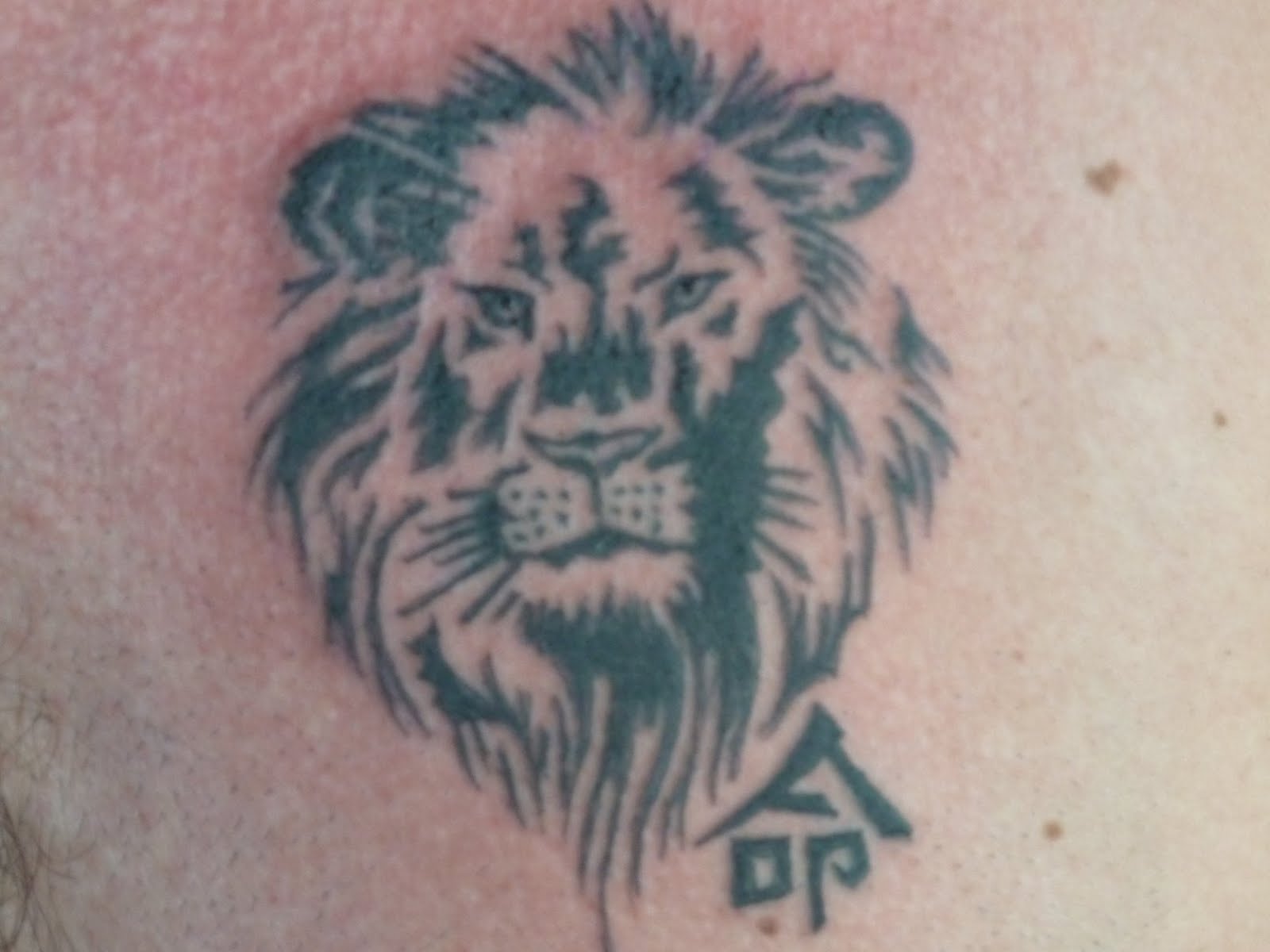
direkt ueber meinem Herzen - directly on my heart
Letztlich war ich fast zwei Monate in Pokhara. Ich habe die relaxte Atmosphaere einfach genossen, die sich Pokhara trotz des Tourismus bewahrt hat und die hohen schneebedeckten Gipfel sind bei klarer Sicht immer im Blick. Ich hatte mir eine taegliche Routine zugelegt, die ich nach einer Eingewoehnungszeit einfach nur genossen habe. Ich habe mich wirklich wie Hause gefuehlt. Zum Fruehstueck und Abendessen war ich immer im “Laughing Buddha”-  Restaurant und die Menschen sind mir dort wie zu einer Art zweiten Familie geworden. Am Nachmittag bin ich dann regelmaessig im Changji-Restaurant gewesen und auch von dort ist mir der Abschied schwer gefallen. Ich habe fast taeglich mein Wasser und mein Banana-Lassi dort getrunken und, nachdem mir ein abreisender Bekannter seine Gitarre geschenkt hatte, viele Stunden Gitarre geuebt. Nepal ist zu so etwas wie meinem Lieblingsland geworden und zu dem Land, in dem ich mir  am ehesten vorstellen koennte zu leben, wenn es denn nicht Deutschland ist. Nepal ist vom reinen Aeusseren (Gebaeude, Staedte, ….) vergleichbar mit Indien, aber bei weitem nicht so dreckig und die Menschen sind viel freundlicher und entspannter, so dass ich Nepal als “Indien extra light” bezeichnen wuerde. Schade war nur, dass meine (leider) Ex-Freundin nicht  of the dabei war, mit der ich eigentlich zusammen hier sein wollte. Es war wunderschoen, aber irgendetwas hat doch gefehlt.

In the end I spent almost two months in Pokhara. I just enjoyed the relaxed atmosphere which is still there in Pokhara despite all the tourism and the high peaks covered by snow are always in the view when it is clear. I ended up in a daily routine which I just enjoyed after I got rid of the inner urge to do this or that. For breakfast and dinner I was at “Laughing Buddha” restaurant and the people there really became sort of a second  (Nepali) family for me. My afternoons I spent in the Changji restaurant and it also was hard to say goodbye to the people there. I almost daily had  my water and banana lassi there and was practising playing guitar for many hours after leaving friend had given me his as a present. Nepal became kind of my favourite country and could be a country to live in if not Germany. Nepal is comparable to India but by far not that dirty and the Nepalis are much friendlier and much more relaxed. I would call it “India extra light”. The only thing that made me sad is that my ex girlfriend was not here as it was planned. I really loved Pokhara but something important was missing.

Donnerstag, 23. Juni 2011

Mai 2011 - Rhinos, elephants and more / Nashoerner, Elefanten und mehr - CHITWAN NATIONALPARK NEPAL


Nein, das ist keine Miss "wet T-shirt" Wahl /
No, it's not Miss Wet T-shirts contest
Der Chitwan-Nationalpark mit seinen 940 km2 Flaeche ist der aelteste Nationalpark Nepals mit einer grossen Vielzahl von Tierarten, u.a. 420 Nashoernern, 100 Tigern, 50 wilden Elefanten, 2 Krokodilarten (Sumpfkrokodile und Gaviale, mit bis ca. 7 m Laenge die laengsten Krokodile der Welt), zudem Baeren, Leoparden und ueber 500 Vogelarten. Der Raptifluss ist die Grenze zum Nationakpark. Auf der einen Seite ist das Dorf Sauraha, das im Grunde nicht viel mehr ist als eine langgezogene Hauptstrasse, wo sich Geschaefte, Restaurants, und Lodges aneinanderreihen, viele schoen direkt am Flussufer gelegen, mit schoenem Blick auf das hohe Gras und die Waelder des Nationalparks.

Chitwan National Park with its 940 km2 is the oldest NP in Nepal with a wide range of wildlife like  about 420 rhinos, 100 tigers, 50 wild elephants, 2 spedies of crocodiles (one is the gavial crocodile, with up to 7m length the longest crocodile on the earth), bears, leopards, monkeys and more than 500 species of birds. The Rapti river is the border to the NP. On one side is the village Sauraha which is not much more than one main road with shops, restaurants and lodges, some located directly at the riverbanks with a nice view into the NP on the other side.  
 
Sauraha ist zugegebenermassen ziemlich touristisch, aber zur Zeit meines Besuchs waren kaum Touristen da, was sehr angenehm war. In meiner Lodge war ich meist der einzige Gast und da Off-Season war, konnte ich fuer 300 Rupien = ca. 3 Euro ein Schnaeppchen machen. Tolles Zimmer mit Bad, Terasse und Leisure-Chair mit Blick auf einen schoenen Garten. Schnell fuehlte ich mich sehr wohl dort und beschloss, etwas laenger zu bleiben, womit ich nach 3 Tagen praktisch in die Dorfgemeinschaft aufgenommen war. 90% der wenigen Touristen die jetzt dort waren, haben in Kathmandu oder Pokhara eine Packagetour (meist 3 Tage/2 Naechte) gebucht und wurden per Bus zu den verschiedenen Programmpunkten gefahren. Dass jemand wie ich ausdauernd die Strassen entlangschlendert, ist da eher ungewoehnlich. Schon bald wurde ich wie ein alter Freund begruesst und gefragt, wie lange ich denn noch bleiben wuerde.


Sauraha is pretty touristy but when i was there there were hardly any tourists which was really nice. In my lodge I was the only guest most of the time and as it was almost off-season I could make a good bargain: 300 Rupees = about 3 Euro for a nice room with private bathroom, terrace with leisure chair and nice view to a beautiful garden. I loved it from the very first minute and decided quickly to stay longer. After about three days I became kind of part of the village community as 90% of the tourists book a package tour (most of them 3 days/2 nights) in Kathmandu or Pokhara. As they are busy to cross the highlights from their agenda and are transported by bus from one place to another there are very few people walking up and down the streets. So very soon I was known a a “long time visitor” and greeted as an old friend and asked how many more days I would stay there. 
That's just great fun !!!!!!

Ich habe es einfach genossen, Zeit zu haben und die Atmosphaere auf mich wirken zu lassen, zumal sich viele Wahrnehmungen mit der Zeit einfach veraendern und immer wieder neu sind. Z.B. war ich jeden Morgen treu beim Elefantenbaden, das taeglich von ca. 10:30 – 12:00 Uhr immer an gleicher Stelle stattfindet. Natuerlich ist es touristisch und ab und zu faehrt mal wieder ein Bus vor,  um die Packagetour-Leute fuer eine halbe Stunde und fuer Fotos abzusetzen. Aber wie viele Orte gibt es auf der Welt, wo man mit ins Wasser springen und mit diesen Riesen im Wasser plantschen kann ? Es ist ein Supererlebnis und im Element Wasser kommt einem die Masse der Dickhaeuter gar nicht mehr so bedrohlich vor. Ich habe das einmal gemacht und mir die anderen Tage alles in Ruhe angesehen, bis ich jeden Elefanten und deren Mahuts (Elefantenfuehrer) kannte. Auch hier veraenderte sich die Wahrnehmung des Ganzen mit jedem Tag, als wenn ich irgendwann dazugehorte.Oft blieb ich noch sitzen, als schon alle weg waren und ich ganz allein noch etwas am Fluss sitzen konnte.
Garten meiner Lodge / garden of my lodge

I really enjoyed having time there and to dive into the atmosphere the more so as the way I experienced everything changed from day to day. For example, I went to the elephant bathing every morning which takes place daily from about 10:30 to 12 am. Yes, it is touristy and from time to time a bus arrived with the package tour people dropping them for half an hour photostop and a quick bath. But how many places are there in the world where you can also jump into the water and and play in the water with these giants ? It was a really great experience and in the element water the weight and mass of the elephants is much less scary than on land. I bathed with them once and the other days I was just sitting there and watching until I knew each and every elephant and their resp. mahut. Also this experience changed from day to day and at one point I seemed to become a part of it all. Often I kept sitting there until all people and elephants were long gone enjoying the “peace after the storm”, alone with myself and the wonderful nature.

Meine Terasse / my terrace
In den Nationalpark kommt man nur bei Tageslicht und nur mit Fuehrer rein, weil es sonst zu gefaehrlich waere. Es passieren immer wieder Unfaelle, vor allem mit Nashoernern und den wilden Elefanten, die beide sehr agressiv reagieren koennen, wenn Sie sich bedroeht fuehlen. Einen Tag wollte ich dann auch auf Tiersafari gehen und habe Kanufahrt, Dschungelwanderung und Jeepsafari gebucht, in der Hoffnung, auch ein paar Tiere zu Gesicht zu bekommen. Letztlich wurden meine Erwartungen weit uebertroffen, worueber ich sehr gluecklich war, denn es ist und bleibt einfach Glueckssache, dass die Tiere gerade dort sind, wo man selbst ist. Mit dem Kanu ging es gemaechlich den Fluss entlang und ein grosses Gavial-Krokodil aalte sich auf einer Sandbank. Dann hielt das Kanu auf der Nationalparkseite und durch hohe Graeser (in der Monsunzeit wird es bis 7m hoch) und Waelder ging es zu Fuss zurueck. Auf der Wandertour haben wir keine Tiere (ausser Kriechzeug) mehr gesehen. Erst war ich darueber enttaeuscht, aber als ich dann das erste Nashorn aus der Naehe gesehen habe, war ich ganz froh, dass ich auf dem Jeep vermeintlich sicherer war.
The NP can only be visited at daylight and only with a guide which makes sense as it can be dangerous and accidents happen most of them with rhinos and wild elephants. Both of them can be very aggressive when they feel disturbed and endangered. One day of course I also wanted to go on a “safari” and booked a canoe tour, jungle walk and jeep safari hoping that I would spot at least a few animals. In the end my expectations were over-fulfilled what made me very happy as it is always, and always will be, a matter of a lucky incident if the animals are exactly at the spot where YOU are. By canoe we went downstream and spotted a gavial crocodile on a sandbank before we jumped out on the NP's side. By foot we went back through high grass (which gets up to 7m high in  the monsoon season) and forest and first I was a bit disappointed that we did not see ay more animals. But when I encountered the first rhino later that day I had the feeling that I would be much more safe on a jeep.
 
Das Gute an der Jeep-Tour ist, dass man schnell tiefer in den NP gelangt. Zuerst war lange nichts zu sehen, aber dann ging es Schlag auf Schlag. Die ersten Nashoerner wurden in der Ferne gesichtet, eine Herde Hirsche und Rehe sprang vor uns ueber die Strasse, ein Wildschwein bahnte sich seinen Weg durchs Unterholz und an einem See schwamm ein Sumpfkrokodil am Ufer entlang. Das naechste Rhino war dann nur noch ca. 80m entfernt im Wald zu sehen und dann stand auf einmal eines an der Strasse, nur ca. 15-20 Meter entfernt. Ich haette nicht gedacht,wie riesig diese Viecher sind und das grosse spitze Horn floesst weiteren Respekt ein. Der Fahrer versuchte, langsam am Rhino vorbeizufahren, damit wir notfalls schnell in die richtige Richtung fluechten koennten, aber das Rhino nahm den Kopf nach unten, grunzte und machte ein paar Schritte in unsere Richtung. Also Rueckwaertsgang und lieber schnell etwas zurueck. Beim naechsten Versuch klappte es dann und das Rhino liess sich nun nicht mehr gross stoeren, als wir langsam vorbei rollten und das Riesentier noch einige Zeit beobachteten.
 
With a jeep you can go quickly deep into the NP. First there was nothing to be seen but then one highlight followed the other. The first rhinos were spotted in the distance, a herd of deers was crossing the path right in front of us, a wild pig was making its way through the branches and trees and in a lake a swamp crocodile was swimming along the banks. The next rhino was much nearer (about 80m) in the forest and the next one was just standing directly at the road about 15-20 in about metres distance. Being so close to it was overwhelming and a little scary as well to realize how massive these giants really are and the  long horn was very daunting. The driver tried to pass very slowly but the rhino lowerted its head,grunted and made a few steps in our direction. The driver drove back but suceeded at the second attempt. As the rhino seemed to feel more comfortable with us now we took some more time to watch it from about 15m distance. It was so impressive !!!!!

Wie gesagt, im Jeep habe ich mich schon sehr viel sicherer gefuehlt, aber das war natuerlich schon eine truegerische Sicherheit, denn ein mit Tempo anrennendes Rhino von 2 Tonnen Gewicht kann so einen Jeep sicherlich ohne weiteres umwerfen. Aber fluechten kann man in so einem Jeep auch schneller als zu Fuss, zumindest wenn man “richtig herum” steht. Es war atemberaubend, diese Riesentiere so aus der Naehe boebachten zu koennen und spaeter stand dann nochmal ein Rhino direkt vor uns mitten auf der Strasse. Zu dem Zeitpunkt war ich schon ganz hin und weg vor Begeisterung und auf dem Rueckweg sahen wir dann noch Affenhorden, einen Baeren, der mitten auf der Strasse stand und ein Sumpfkrokodil, das sich gerade ins Wasser schlaengelte. Ich war ueberrascht und beeindruckt, wie viele Tiere wir auf der Fahrt gesehen haben und die folgenden Tage habe ich es einfach genossen, auf der anderen Flusseite zu sitzen und in der Naehe dieser vielfaeltigen Tierwelt zu sein. Letzlich war ich 10 Naechte in Sauraha und jeder Tag war irgendwie gleich und immer wieder neu.

As i mentioned before I felt much safer in the jeep but of course it was a kind of false security because such a rhino weighs about 2 tons and running at a jeep with speed it certainly could throw it upside down. But of course you can flee much more quickly in a jeep than by foot as long the jeep is standing in the right direction. It was absolutely breathtaking to be that close to these creatures and some minutes later another one stood right in front of us in the middle of the road. At that time I already was so happy with what I had experienced and there was even more on our way back. We saw a bear, a lot of monkeys and a huge swamp crocodile on its way into the water. I was so surprised and impressed how many animals we saw during our relatively short tour and the next few days I just enjoyed it to sit at the river and to be near to this amazing wildlife on its other side. I spent 10 nights  in Sauraha and though everyday was kind of similar it was totally different and new and fresh at the same time.

Tiger haben wir nicht gesehen, aber das waere auch ein sehr grosser Zufall gewesen, denn obwohl es um die 100 Tiger im Chitwan NP gibt, sind diese sehr scheu und selten wird einmal ein Tiger gesichtet. Zudem ist das Gras sehr hoch, was die Sicht sehr erschwert. Aber erstens habe ich mir diesbezueglich ohnehin kaum Hoffnungen gemacht und zweitens waren die Tierbegegnungen fuer mich so beeindruckend, dass ich einfach nur gluecklich ueber das Erlebte war und noch Tage davon gezehrt habe. Es war auch ein Glueck, dass ich zur richtigen Zeit dort war, denn es war so wenig los, dass es leichter war, mich auf die ruhige, entspannte Atmosphaere einzulassen und z.B. die Tierbegegnungen langsam sacken zu lassen. Auch wenn ich lange auf der anderen Flussseite gesessen und in den NP hinuebergeblickt habe, habe ich mich allem sehr nahe gefuehlt. Danke Chitwan fuer unvergessliche Tage. 

Blick ueber den Fluss / view across the river
We did not see any tigers but I haven't really expected that as they are very shy and you have to be very very lucky to spot one of the about 100 tigers in the park. Also the grass is very high which makes it difficult to spot them. It did not matter to me as I was just so happy with what I had experienced and this feeling did not left me for the next few days. And I really chose the perfect tine to go to Chitwan as they were very few tourists and so I could enjoy the peaceful relaxed atmosphere and let the nature experiences sink into myself. Thank you Chitwan NP for some unforgettable days !!!!!!


Sonntag, 15. Mai 2011

April 2011: Dakshinkali; Nepal - Tieropfer im Kali-Tempel / Animal sacrifice in the Kali temple

Der Besuch dieses Tempels ist sicherlich nicht jedermann's Sache, ist jedoch ein eindrucksvoller Einblick in den Glauben und die Rituale der Nepalis. In Nepal existieren verschiedene Religionen seit Jahrhunderten friedlich nebeneinander, hauptsaechlich Hinduismus und Buddhismus und z.T. haben sich diese auch miteinander vermischt.Sie sind durchzogen von einer lebendigen tantrischen Tradition voller Rituale.

For sure it is not everybody's cup of tea but a visit of this temple offers an impressive experience of the religion and the rituals in Nepal. In Nepal various religions have peacefully coexist for many centuries, mainly hinduism and buddhism. Also a mixture of these religions had developed with a vivid tantric tradition full of rituals.


Tantrismus hat hier nicht allzuviel mit dem "westlichen Tantra" zu tun. Die tantrischen Kulte gehen auf die Shivaverehrung des 8. und 9. Jahrhunderts zurueck. Durch geeignete Rituale soll der Weg zur Erleuchtung / die Vereinigung mit dem Goettlichen beschleunigt werden. Die Muttergoettin Mahadevi (oder Shakti) erscheint oft als Gefaehrtin Shivas und wird durch das vulvaaehnliche Yoni-Symbol dargestellt. In der Erscheinungsform als zornige Kali traegt sie Totenschaedel als Kette um den Hals und verlangt nach Blut, um besaenftigt zu werden.

Sieht gar nicht wie der rituelle Henker aus, oder ?
Does not really look like a ritual executioner, does he ?
Tantrism here has not much to do with the "western tantra". The tantric cult has its origin in the 8th and 9th century. By the right choice of rituals the devotees try to accelerate their path to enlightenment / the (re) unification with the divine. The mother goddess Mahadevi (or Shakti) often appears as companion of Shiva and is symbolized by the yoni symbol. In the appearance as angry Kali she is wearing a necklace of skulls around her neck and wants blood to be pacified.

Und so warten die Menschen in Dakshinkali in langen Schlangen, um Kali ihre Opfer darzubringen. Viele tragen bunte Teller mit sich, gefuellt mit Blumen, Raeucherwerk oder Speisen, viele jedoch haben ihr Huhn unter dem Arm oder fuehren eine Ziege am Strick mit sich. Und so strebt alles langsam dem quadratischen Opferplaz zu, wo der Statue der Kali gehuldigt wird und die Tiere dem rituellen Tod zugefuehrt werden. So manchen sieht man ihr Tier nochmal sehr liebevoll behandeln; sie schmuecken sie mit Blumen, besprengen die Koepfe mit Wasser (damit sie moeglichst zustimmend nicken) und fluestern ihnen Gebete ins Ohr. Die Menschen glauben, dass das geopferte Tier ihnen hilft, in einer hoeheren Lebensform wiedergeboren zu werden.

And so the people are waiting in long rows to bring their sacrifice to the goddess Kali. Some carry colorful plates with flowers, incense or food, some have their chicken under their arms and others bring a goat. The ritual sacrifice place is a quadrangular place with a statue of Kali where the animals are lead to their ritual death. You can see people treating their animal in a very loving way: they decorate them with flowers, pour water on their heads (and hope they give a nod as sign for approval) and whisper prayers into their ears. The people believe that the sacrified brother will help them to be reborn in a higher form of being.


Danach geht es dann sehr schnell: Maenner einer ganz bestimmten Kaste sind ausersehen, dem Tieropfer mit einem scharfen Messer die Kehle aufzuschlitzen und die Kultbilder mit deren Blut zu bespritzen. Entsprechend schwimmt der Platz der rituellen Toetung in Blut und ist nichts fuer schwache Gemueter. Die Koepfe getoeteter Huehner werden auf einem Haufen gestapelt and die Koepfe getoeteter Ziegen werden dem Besitzer wieder mitgegeben, ebenso wie der "Rest" des Tieres.Kali verlangt nach Blut und nicht nach Fleisch !

Um den Opferplatz herum sieht man dann auch viele Menschen und ihre toten Tiere, deren tote Koerper am Boden liegend und deren abgeschnittener Kopf irgendwo an einer Stelle darauf drapiert, wo er nicht hin gehoert.. Wie gesagt, es ist makaber und ganz bestimmt nicht jedermann's Sache, aber es ist eben auch eine andere, sehr sehr alte Kultur, die schon seit vielen Jahrhunderten existiert. Fuer mich ganz persoenlich war der Besuch eine sehr intensive und beeindruckende Erfahrung.
Viel Gedraenge um die Statue der Kali
Very crowdy at the statue of Kali
Then everything happens very quickly: men of a special caste take a sharp knife, cut the animals' throat and spill their blood over cult images. Accordingly the whole place is over and over full of blood and nothing for people with weak nerves. The heads of killed chicken are stapled and the heads of killed goats are returned to the owners along with the "rest" of the body. Kali wants blood and not flesh ! All around the place you see people standing around, the dead animals' body next to them, the heads of their goats placed somewhere on the body where they don't belong. As i said, it is macabre and definitely not everybody's cup of tea but it is a different culture which has existed for many centuries. For me my visit there was am intensive and impressive experience even it may seem cruel out of a "western" perspective.


Samstag, 7. Mai 2011

April 2011 Nepal: Eine Busfahrt ist nicht immer Spass !!!! / Travelling by bus is not always fun !!!

Ich habe mich entschlossen, der jeweils 10stuendigen Busfahrt zum Startort des Langtang-Trekks und zurueck einen eigenen Blogbericht zu widmen, weil diese Fahrten sogar mir als erfahrenem Busreisenden in Indien und Nepal in besonderer Erinnerung bleiben werden. Wenn man bedenkt, dass erst 1953 das erste Flugzeug in Nepal gelandet ist und das Land bis in die 50er Jahre hinein nur zu Fuss erreichbar war, verwundert es nicht, dass das Strassennetz noch immer ziemlich unterentwickelt ist. Zumal es extrem aufwaendig ist, Strassen durch die gewaltigen Berge zu bauen.

"nah" dran an den Menschen Nepals / being close to the Nepali people

I decided to dedicate a separate report to the 10 hour - bus travel to and from the starting point of the Langtang-trekk as it will stay in my memory even though I already travelled so often by bus in India or Nepal. Keeping in mind that only in 1953 the first plane had landed in Nepal and that until the 50s Nepal had been only accessible by foot it is no surprise that the road system is still underdeveloped. This is also because it is not easy to build streets in this extremely mountainous region.

Generell kann man die Strecke von Kathmandu nach Syabru Bensi in drei Abschnitte einteilen: Die ersten 1-2 Stunden sind de Serpentinen ziemlich kurvig und die Strasse relativ gut, so dass die Kurven schnell durchfahren werden. In der mittleren Etappe geht es relativ gemaechlich in Serpentinen die Berge rauf und runter und die Strasse ist ok. Die letzten 2-3 Stunden bis Syabru Bensi hoert der Asphalt auf und die Schlagloecher werden immer tiefer, so dass die Fahrt zu einem Buckelpistenabenteuer wird.

Pause-besser nicht den Sitzplatz aufgeben /
break, you better not leave your seat

In general you can divide the distance from Kathmandu to Syabru Bensi into three sections: the frist 1-2 hours the serpentines are very winding and as the road is in a good condition the bus can go fast. In the middle section the road condition is ok and it is going slowly and steadily up and down. The last 2-3 hours the asphalt stops and the road becomes a dirt track, one deep pothole next to another so that the trip becomes something close to a horror trip.


Ich kann gar nicht sagen, welche der beiden Touren ich schlimmer fand, tendiere aber stark zur Rueckfahrt nach Kathmandu. Auf der Hinfahrt ist man noch die Hektik Kathamandus gewoehnt und der Klapperbus ist bei der Abfahrt oft noch relativ leer, d.h. die Sitzplaetze sind alles besetzt, Gang und Dach jedoch noch nicht hoffnungslos ueberfuellt. Fuer die Serpentinenstrecke hinter Kathmandu ist man noch ziemlich frisch und die Holperstrecke zum Ende laesst sich ertragen, weil man sich auf den Trekk freut. Die Rueckfahrt allerdings war dann einem Horrortrip sehr aehnlich. Lange Zeit war unklar, ob ueberhaupt Busse fahren wuerden, da es zwei Tage zuvor einen Busunfall gegeben hatte, bei dem ein Dorfbewohner zu Tode gekommen war. Um Entschaedigungszahlungen von der Busgesellschaft zu erhalten, haben die Dorfbewohner kurzerhand die Strasse dichtgemacht. Zu meiner Abfahrt war die Strecke dann aber wieder frei., so dass es losgehen konnte.

Nach 10 Stunden wie hier freut man sich ueber etwas Privatsphaere
After 10 hours like this it is nice to have some private space again
It is not easy to tell if the trip back or forth was more horrible but I strongly tend to the trip back to Kathmandu. On the way from Kathmandu to Syabru Bensi you are still used to the hectic atmosphere of Nepal's capital and the rusty bus is pretty empty at the time of departure which means that all the seats are full but aisle and roof are net yet completely overloaded. For the following windy serpentine road you are fresh and rested and the pothole drive at the end can be accepted in one's expectation of a nice trekk.But the trip back from Syabru Bensi really was a horror trip. For some time it was unclear if there would be a bus at all as there had been a bus accident two days before in which a village man had been killed. To get some money from the bus company the village people just closed the road to put some pressure on them. At the time of departure the road was free again.

Diesmal war der Bus schon bei der Abfahrt (7:30 Uhr) vollgepfropft bis unters Dach, wobei dieser Ausdruck nicht ganz stimmt, denn AUF dem Dach war eben auch schon alles gut belegt. Noch mehr als in Indien ist es in Nepal normal, dass ganze Massen auf den Daechern mitfahren.Mein Sitz neben dem Gang war mehr eine Ruine und die vordere Rueckenlehne ragte noch ein Stueck nach hinten als normal, so dass die ohnehin minimale Beinfreiheit noch weiter eingeschraenkt war. Links, rechts sowie hinter mir platzierte sich eine Nepali-Familie. Auf dem Sitz neben mir sassen zwei, zeitweise sogar drei Kinder, die naturgemaess mehr Platz beanspruchten als ihren eigenen Sitzplatz. Die Mutter sass neben mir im Gang und schlief die meiste Zeit, die Unterarme als Kissen auf meiner Armlehne abgelegt. So eingepfercht war es mit meiner entspannten Ruh, die ich aus den Bergen mitgebracht hatte, erstmal vorbei, weil ich die anstregenden ersten 2-3 Stunden Buckelpiste drum kaempfen musste, mir irgendwie einigermassen PLatz zu schaffen, um die lange Fahrt zu ueberstehen.
Es ist nett auf dem Dach, jedenfalls solange der Bus noch steht
It is nice on the roof at least as long as the bus is still standing

This time the bus was already totally packed "up to under the roof" at the time of departure though this term is not really precise as the bus was also packed ON the roof. More than in India it is normal in Nepal that people travel on the roof. My seat next to the aisle was not more than a ruin of a seat and and the backrest of the seat in front of me came down more than normal so that there was hardly enough space for my knees without touching the front seat. To my left the seat was occupied by two, sometimes three children. You can imagine that they occupied more than their own seat. The mother was sitting on a crate in the aisle. She was sleeping most of the time, her arms placed on my armrest and used as a cushion. Under these circumstances my inner peace that a brought from my trekk was highly endangered and the firs two hours of pothole-riding was just a fight for my "own space" so that I could somehow survive the 10hours trip.

Danach ging es dann einigermassen, auch wenn es immer voller und mit der Zeit immer heisser wurde. Viel von der Landschaft habe ich nicht mitbekommen, was aber auch ganz gut war, denn am Rand ging es extrem tief hinunter und speziell wenn Busse oder LKW entgegenkamen, waren die Raeder des Busses arg nah am Abgrund. So richtig "spannend" und interessant wurde es dann zum Ende hin, als wir uns schon Kathmandu naeherten. Am Strassenrand warteten Massen von zumeist jungen Leuten und als der Bus stoppte, kletterten diese wie Horden von Insekten die Seitenwaende des Busses hinauf Richtung Dach. Die folgende schnelle Serpentinenstrecke scheint aber vielen im und auf dem Bus nicht gutgetan zu haben. Vielleicht schon "geschwaecht" von bereits achtstuendiger Fahrt entleerte sich bei einer zunehmenden Anzahl von Fahrgaesten der Mageninhalt. Und die Spuren von Erbrochenem an den Fenstern zeigten, dass es denen auf dem Dach auch nicht besser ging. Gut, wenn dann die Fenster neben einem fest geschlossen sind :-))))
Eine Buckelistenfahrt
A bumpy ride


After these first two hours it became bearable though it gradually became hotter and hotter from minute to minute. I couldn't see much of the landscape but it was ok as it was going down deeply at the sides and esp. when a bus or truck came from the other directions the bus' tires were just a few centimeters to the edge. The trip became most "interesting" when we came close to Kathmandu. Masses of young people were waiting at the roadside and as the bus stopped the climbed up to the roof like swarms of insects. The following quick serpentine drive did not seem to be fun for many of the passengers. Maybe already unnerved by 8 hours of driving more and more people in the bus started vomiting and traces of vomit at the windows were a clear sign that some people on the roof did not feel much better. In these situations it is good to know that the windows closed to oneself are shut :-)))


Auch wenn ich nach der Ankunft erstmal fix und foxi war, habe ich mich doch schnell wieder davon erholt, denn die schoene Erfahrung des Trekks war nachhaltiger. Auf der Hinfahrt habe ich mich zum Ende hin auch mal aufs Dach begeben, das Experiment jedoch nach einer halben Stunde abgebrochen. Eine Erfahrung war es allemal, aber da bevorzuge ich doch einen Sitz IM Bus und sei der noch so voll.


After our arrival in Kathmandu I was totally exhausted but I recovered quickly as the beautiful moments of my trekk were strong and vivid in my memory. On the bus trip from Kathmandu to Syabru Bensi I also climbed the roof in order to experience how it is like but after 30 minutes I stopped the experiment. It definitely was an experience but not my cup of tea. I really prefer a seat IN the bus even if it is totally packed.

Sonntag, 1. Mai 2011

15.-24.4.2011 "Langtang" - Himalaya-Trekk


Besuch im Zimmer in Syabru Bensi / visitor in the room in Syabru Bensi
Seit ich 2006 im Himalaya war, hat mich der Gedanke nicht wieder losgelassen, dorthin zurueckzukehren. Auf der tibetischen Seite vorm Everest zu stehen, wo sich am Everest Base Camp die Pyramide mit dem hoechsten Punkt der Erde vor einem erhebt, war einer der ergreifendsten Momente meines Lebens. Und auch mein Trekk von damals (Jomsom Trekk im Annapurna-Gebiet) ist mir noch immer frisch in Erinnerung, so dass Trekking auf jeden Fall ganz oben auf meiner To Do - Liste fuer Nepal stand. Damals habe ich eine organisierte Tour gemacht und wusste nun, dass es bei den meisten Trekks kein Problem ist, diese auch auf eigene Faust zu machen.

Since I have been in the Himalayas in 2006 there has always been an inner urge to return. Standing in front of the Everest in the Tibetan Everest Base Camp, the pyramid with the highest point of the earth right in front of me, was one of the most emotional moments in my life. And also the trekk of 2006 (Jomsom trekk in the Annapurna region) is still vivid in my memory so that another trekk was on top of my to do - list for Nepal. 2006 I had made an organized tour and had learnt that for most trekks it is no problem to do it self-organized and without a guide.

Ganz alleine wollte ich allerdings auch nicht gehen und so wartete ich darauf, Leute zu treffen, denen ich mich anschliessen koennte. Eines abends traf ich Natesh, einen Amerikaner, der mit einer Freundin (Amy) den Langtang-Trekk machen wollt und ich schloss mich den beiden kurzentschlossen an. Ein Bus brachte uns in
10 Stunden nach Syabru Bensi (1400m), den Ausgangspunkt des Trekks und am naechsten Morgen starteten wir und begannen, dem Fluss bergauf zu folgen. In der Ferne konnte man bereits einige hohe, schneebedeckte Gipfel sehen, was die Vorfreude weiter steigerte. Schnell merkte ich, dass sich Rauchen und Trekking nur schwer miteinander vereinbaren lassen, denn der erste Tag, den wir knappe 12 Stunden unterwegs waren, wurde extrem anstrengend fuer mich, zumal es extrem auf und ab ging. Es ist echt eine Strafe, wenn man langfristig immer weiter hoch will, sich dann eine halbe Stunde bergauf quaelt, um dann fast die gleiche Stecke wieder hinunterzugehen. Und so ging es fast den ganzen ersten Tag. Viele Trekker heuern Traeger an, aber irgendwie gehoert es fuer mich zum Abenteuer Himalayatrekking einfach dazu, den Rucksack selbst zu tragen, auch wenn dieser mit den Stunden immer schwerer zu werden scheint.


Let's go ! The start in Syabru Bensi
But I also did not want to go all alone and so I waited to meet other people I could join. One evening I met Natesh, an american, who planned to do the Langtang-Trekk with a friend (Amy, also american) and I decided to go with them. A bus took us in 10 hours from Kathmandu to Syabru Bensi (1400m), the starting point of the trekk and early next morning we started by following the river uphill. In the distance higher peaks covered with snow were already visible which added to the joyful expectation of that to come. Quickly I felt that smoking and Himalaya trekking is not a good combination and the first day was very long with 12 hours of walking. It became very exhausting for me, the more so because it went steeply up and down all the time. It is almost a punishment when you have to go all that back down that you had climbed up before. Many trekkers hire porters but somehow it is part of the adventure Himalaya trekking for me to carry my backpack myself even though it seems to become heavier hour by hour of walking.

Ich hatte von vornherein kaum Zigaretten mitgenommen, so dass diese bald alle waren und im spaeteren Verlauf merkte ich auch, dass ich (natuerlich) viel mehr Puste hatte. Am Nachmittag fingen bei Amy und mir die Maegen an zu rumoren. Zum Mittag hatten wir Rast gemacht, Amy eine Huehnersuppe begonnen und ich den Rest gegessen, was sich als keine gute Idee herausstellte. Den Rest des Tages schleppte ich mich dahin und war abends total erledigt. Schon an dem Abend konnte ich kaum etwas essen und am naechsten Tag ging gar nichts mehr. Amy ging es aehnlich und wir beschlossen, den Tag noch in unserer Lodge (der Ort hiess Lama Hotel auf 2250m) zu verbringen. Ich verbrachte den Tag komplett im Bett, hatte heftige Magenkraempfe und musste mich uebergeben. Kein guter Zeitpunkt, wenn man auf einem anstrengenden Trekk ist. Wenn man kaum etwas essen kann, wo soll der Koerper die noetige Energie herbekommen  ?!

Mittagspause / lunch break in "Landslide"
I had decided to bring not many cigarettes so I ran out of it pretty quickly which was good as I had much more breath later. In the afternoon Amy's and my stomach began to rumble. For lunch we stopped at a lodge and Amy ordered chicken soup which I finished. Not a good idea ! The rest of the day was a hard fight and when we arrived at the lodge (in Lama Hotel on 2250m) I was totally exhausted. Already that evening I was hardly able to eat something and the next day it seemed impossible to move any further. We decided to spend the day in the lodge which I entirely spent in bed. I hade severe stomach cramps and had to vomit. Not a good timing when you are on a trekk as where should the energy come from when you are unable to eat something.

Den naechsten Tag zogen wir wieder los, beschlossen aber, die Etappen auf ca. 4-5 Stunden zu verkuerzen, um unserer angeschlagenen Gesundheit Rechnung zu tragen. Nach und nach erholten Amy und ich uns jedoch wieder und so zogen wir weiter bergauf. Die Aussicht auf hohe Gipfel wurde immer schoener und es wurde immer kaelter. Auf dem Weg begegnen einem neben anderen Trekkern unter anderem auch immer wieder Karawanen schwer bepackter Pferde und ebenso schwer beladene menschliche Traeger, die alles moegliche die Berge hinauftransportieren. Entsprechend teurer wird alles, je mehr man sich von den befahrbaren Strassen entfernt. Ein Beispiel: In Kathmandu kostet eine Flasche Wasser (1L) 15-20 Eurocent. Im Zielort des Trekks (Kyanjin Gompa) 2 Euro. Es ist immer wieder faszinierend, diese Traeger zu beobachten. Die Trekker decken sich in Kathmandu mit (gefaelschten) Hightech-Markenartikeln ein und diese Maenner, oft genug aelter und zerbrechlich wirkend, stuermen die grossen Hoehen in FlipFlops. Und das mit unglaublichen Lasten: einmal habe ich einen Traeger ein schmiedeeisernes Gartentor den Berg hinaufschleppen sehen.

Brrr, nachts wird es kalt / it is cold at night
The next day we went on but decided not to walk too long (just 4-5 hours) as Amy and I felt better but still weak. Gradually we recovered and walked further uphill. The view of high peaks became increasingly spectacular and it became colder and colder. On the way we met other trekkers as well as horses loaded with this and that and human porters with heavy loads carrying them to the villages in the higher altitudes. Accordingly everything gets more expensive the farther you get away from the roads that can be travelled by trucks. An example: a bottle of water is 15-20 Eurocent in Kathmandu. In Kyanjin Gompa, the final  point of the Langtang trekk it is 2 Euro ! It is absolutely impressive to watch these porters: Western trekkers buy the best (faked) hightech-equipment in Kathmandu and Nepali porters, often elderly and not very strong looking men, walk in FlipFlops and carry incredible loads. Once I had seen a porter carrying a wrought iron gate on his back. Crazy.

Ueber die Stationen Gorangh  Tabela (2970m) und Langtang (3300m) gelangten wir schliesslich nach Kyanjin Gompa in 3900 m Hoehe.Schoen waren immer auch die Abende in den Lodges am warmen Ofen mit den anderen Trekkern, Guides und Porters.Oft spielte jemand auf einer Tibetan Dumjin, ein Instrument aehnlich einer kleinen Gitarre.Die Berge der Langtang-Kette sind nicht so hoch wie in anderen Gebieten des Himalaya, jedoch ist man auf dem Langtang-Trekk mittendrin und umzingelt von hohen schneebedeckten Gipfeln, die so ca. 5500 - 7300 m hoch sind. Das Bergpanorama in Kyanjn Gompa ist deshalb schlicht atemberaubend. Der hoechste Berg ist der Lantang Lirung mit knapp 7300 Metern Hoehe und da dieser direkt neben dem Ort steht, wirkt er umso beeindruckender. Um Kyanjn Gompa herum befinden sich einige Gipfel um die 5000m, die man in einem Tagestrip gut besteigen kann, wobei man fruehmorgens aufbrechen sollte, um gute Sicht zu haben und nicht in Schneefall zu geraten. In Kyanjin Gompa waren es ca. 3 Grad plus, was in der Sonne gut auszuhalten war. Aber bei Wind und Schnee wird es schnell extrem kalt und bei einem Aufstieg, ungeschuetzt von Baeumen etc. sollte man es tunlichst vermeiden, dort hinein zu geraten.

Die Berge um Kyanjin Gompa / The mountains around Kyanjin Gompa
We spend the following nights in Gorangh Tabela (2970 m) and Langtang (3300 m) and finally arrived in Kyanjin Gompa on 3900 m) The evenings were always nice, sitting in the lodges close to a warm oven together with other trekkers, guides and porters. Sometimes someone played music on a Tibetan dumjin, an instrument similar to a small guitar. The mountains of the Langtang range are not as high as in other areas of the Himalayans but you are right in the middle of it and surrounded by high snow covered peaks of  5500 to 7300 m. Therefore the mountain panorama in Kyanjin Gompa is just breathtaking. The highest mountain is the Langtang Lirung with about 7300m and you are standing just in front of it so it is just looking impressive. Around Kyanjin Gompa there are some peaks of around 4700-5000 m which can be climbed in a day trip but it is a good idea to leave early in the morning. Not just because to have a good view but to avoid coming into snowfall and strong winds. In Kyanjin Gompa it was about 3 degrees celsius which was fine in the sunshine but without it and with wind and snow it becomes bitterly cold from one moment to another esp. during a climb with no protection by trees...

Fuer meine Tour zum Kyanjin Ri (4900m) hate ich mir den perfekten, wolkenlosen Tag ausgesucht und irgendwie war nach Tagen koerperlicher Probleme auch wieder Energie da, so dass ich den Berg foermlich hinaufgeflogen bin, obwohl einige Passagen ziemlich steil waren. Mit der Hoehe und dem wenigen Sauerstoff hatte ich keinerlei Probleme, obwohl ich schon merkte, dass es mit jedem Hoehenmeter anstrengender wurde. Aber als ich auf dem Gipfel inmitten der Gebetsfahnen stand, war ohnehin alles vergessen, denn die Rundumsicht war der Hammer und einer der intensivsten und emotionalsten Momente meines Lebens. In dieser Hoehe fuehlte ich mich auch meinem Vater ploetzlich ganz nah, der im Dez.2009 gestorben ist, obwohl ich eigentlich nicht an einen Himmel glaube. Der Langtang Lirung mit seinen 7300m direkt vor mir, weitere hohe,schneebedeckte Gipfel, gewaltige Gletscher und tiefe Abhaenge. Wenn es geklappt hat, steht hier irgendwo ein Video dieser Rundumsicht zum Anschauen bereit. Oben auf dem Gipfel traf ich eine Belgierin mit ihrem Guide, so dass ich sogar auch auf ein paar Gipfelfotos sein kann. Das Wetter hielt und so konnte ich am Nachmittag zurueck in der Lodge meinem Erlebnis nachspueren. Es wird mir unvergesslich bleiben und auch wenn mir manchmal Zweifel kommen, ob ich mit meiner Reise alles richtig mache, in solchen Momenten wie auf dem Gipfel des Kyanjin Ri ertoent aus mir einfach nur noch ein lautes JA !

For my climb of Kyanin Ri (4900m) I really chose the perfect day without clouds and after days of health problems I was full of energy again so that I almost flew up to that peak though some passages were pretty steep. I did not have any problems with the altitude and the less oxygene in the air though it became more exhausting the closer I came to the peak. But standing on the top inmidst of prayer flags everything was forgotten anyway. The view up there was just incredible and it was again one of the most beautiful and emotional moments in my life.In that moment and high altitude I suddenly felt close to my father who died in Dec.2009 even though I normally don't believe in a "heaven". The Langtang Lirung with its 7300m right in front of me, many other snow covered peaks, enormous glaciers and steep slopes. If everything worked out fine you can see a video of this view. On the peak I met a Belgian girl with her guide so that I am also on some of the peak photos. The weather was fine all day long so in the afternoon I could sit in front of the lodge, enjoying the sunshine and remember what I had experienced. It was unforgettable and though sometimes I feel doubt if I do the right thing with my travelling; in those moments like on top of Kyanjin Ri there is only one answer inside of me: YES !!!!

On the peak of Kyanjin Ri in front of Lantang Lirung (7300m) / Auf dem Gipfel des Kyanjin Ri vor dem Lantang Lirung(7300m)
Am naechsten Morgen brach ich kurzentschlossen zum Rueckweg auf. Irgendwie  war meine Mission dort erfuellt und ich freute mich wieder auf die Waerme in tiefergelegenen Orten. Amy und Natesh waren schon am vorherigen Morgen aufgebrochen, weil Amy gesch. Probleme loesen musste, was von dort oben aus nicht moeglich war. So machte ich mich alleine auf den Weg, was ich aber auch sehr geniessen konnte in diesem Panorama. Das einzige, was auf dem Rueckweg stoerte, war mein unzureichendes Schuhwerk, eine Mischung aus Sport- und Trekkingschuhen. Zum einen waren die Schuhe relativ rutschig, was es gerade bergab nicht ungefaehrlich macht, so dass ich mich extrem konzentrieren musste, was auf Dauer mental sehr anstrengend war. Zudem bin ich immer wieder mit den Zehen an die Schuhspitzen gestossen, was zum einen irgendwann Schmerzen verursacht und mir zwei blutunterlaufene Zehenhnaegel eingebracht hat. Fuer den naechsten Trekk werde ich besser ausgestattet sein. Generell aber geht es bergab sehr viel schneller und nach einer Zwischenuebernachtung in Lama Hotel erreichte ich Syabru Bensi schliesslich gegen Mittag und habe mir als allererstes ein kuehles Everest-Bier gegoennt. Was fuer ein Genuss !

Early next morning I decided from one moment to another to leave and to go back down. Somehow my "mission" was completed and I was looking forward to the warmth of the lower altitudes. Amy and Natesh had left the morning before as Amy had to solve business problems which was not possible from up there. So I began to walk down alone and really enjoyed it to be alone with the nature. The only thing that was unnerving me was my insufficient footwear, a mixture between sports and trekking shoes. They were pretty slippery which can be dangerous esp. walking downhill so that I had to be extremely concentrated on my way fwon which was mentally very exhausting. Furthermore my toes constantly touched the top of my shoes while going steeply down. It began to hurt quickly and finally both my big toes were bloodshot. For the next trekk I will be better prepared. Downhill generally is much faster than uphill and after one night in Lama Hotel I reached Syabru Bensi around noon and the first thing I did was having a cold Everest beer. It tasted just great !

Regelmäßig lesen